Roofivent on NBD roofs.
Roofivent makes the polypropylene roof vents, pipe flashings, and exhaust caps I install because they’re built to be serviced. The bodies don’t UV-degrade, the EPDM gaskets swap out in about 10 minutes, and the line carries a manufacturer functionality warranty — so a worn seal means a $20 gasket, not a new vent. A Roofivent vent runs about $250–$350 each depending on the model, with the exact price on your estimate. Which ones fit depends on your attic.
Reviewed by Joe Deal · September 2026

Why do I install Roofivent?
Most roof ventilation product is designed to be installed once and never touched again — which sounds great until the rubber gasket inside cracks at year 8 and water starts running into your attic. Then the answer is "rip out the whole vent and start over."
Roofivent went a different way. Their products are designed assuming maintenance happens. The EPDM rubber gasket on the pipe flashing? You can swap it in 10 minutes without disturbing the roof connection. The iVent ECO bath/kitchen exhaust? Built-in condensation drain so moisture doesn't pool inside the system. The iVent ROTO turbine bearings? Encased in oil for long quiet life. Everything is engineered like the people designing it actually expected to be on the roof again 15 years later.
That matches how I think about my work. I'm going to be on your roof every year doing the Elite annual inspection — and I'd rather swap a $20 gasket than rip out a $250–$350 vent. Roofivent makes that possible.
— Joe
Owner & Operator, No Big Deal Home Solutions
Which Roofivent products go on your roof?
I don't install every Roofivent product on every roof. Each one solves a specific problem — and the right answer depends on what your attic and your appliances actually need.

What it solves
Standard neoprene pipe boots crack from UV exposure within 7-12 years. When they fail, water runs straight down your plumbing vent stack into the bathroom ceiling below. The Roofivent design solves the failure mode by making the gasket replaceable.
How it works
Polypropylene body slips over the plumbing vent stack with a 4-inch installation flange that lays under the next shingle course. The EPDM rubber gasket can be replaced without disrupting the roof connection — Joe swaps it in 10 minutes on his annual inspection visit if it ever degrades. Manufacturer functionality warranty.
When I install it
Bundled into every Standard tier roof. Replaces commodity neoprene boots that fail at year 7-12.
Tech Spec

What it solves
Standard bath/kitchen/dryer exhaust roof caps are thin plastic with a flap that warps, sticks, or breaks within 8-10 years. The result: condensation backs up into your attic, eventually causing a mold problem nobody connects to the cause.
How it works
Polypropylene vertical vent with a built-in condensation drain system, aerodynamic design that prevents backdraft without needing a separate damper, bubble levels for precise install, and a serviceable rubber ring at the duct connection. Available in 4″, 5″, and 6″ for any standard appliance duct size.
When I install it
Bundled into every Preferred and Elite roof as the upgrade over commodity plastic caps. Available a-la-carte on Standard if you want it.
Tech Spec
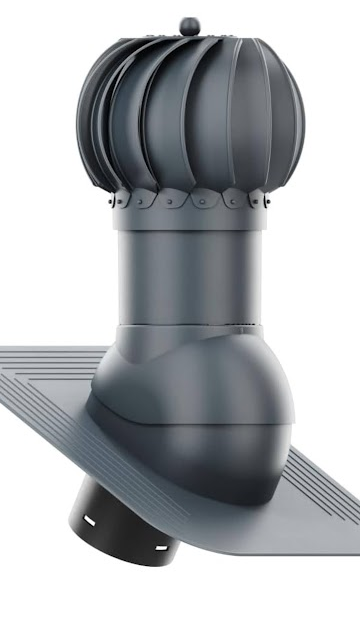
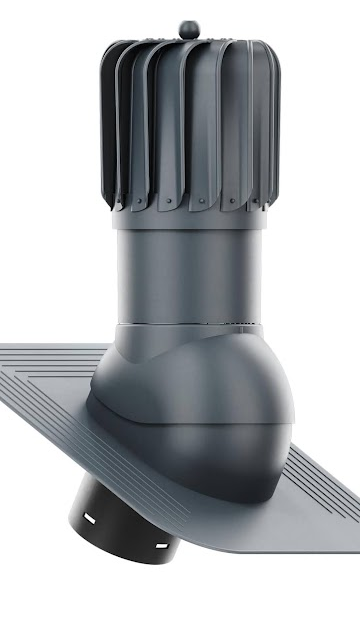

What it solves
Some attics need more than passive ridge ventilation — large spaces, west-facing roofs that bake to 130°F+ in summer, attics with chronic moisture or condensation history. Active turbine venting moves significantly more CFM than passive flow.
How it works
Wind-powered turbine creates negative pressure that pulls hot/moist air out of the attic. Aerodynamically designed blades work in light wind. Bearings encased in high-quality oil for long quiet life. Polypropylene body, condensation drain, integrated bubble levels.
Important: ROTO replaces ridge venting, doesn't supplement it. You install one balanced exhaust system per roof — never both ridge vent and turbine. Mixing them creates short-circuit airflow that reduces ventilation.
When I install it
Per-job upgrade — assessed at inspection. Joe specs ROTO when ridge geometry doesn't work (hip roofs without continuous ridges) or when the attic has documented heat/moisture issues that passive flow can't keep up with.
Tech Spec
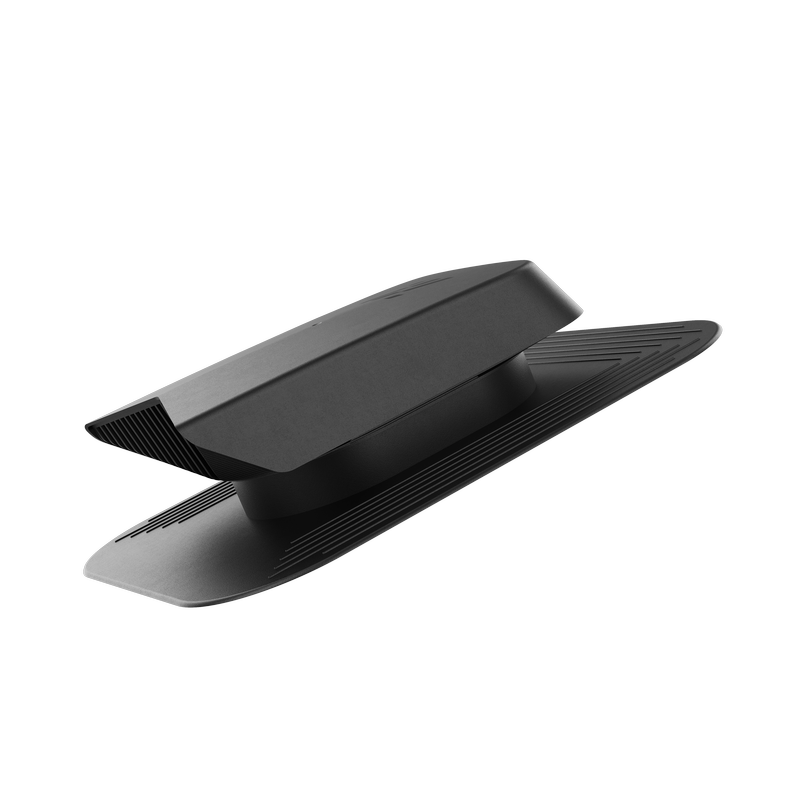
What it solves
Older homes with existing 750-style box vents that are leaking, dented, or undersized for the attic volume. The FLOW is a modern replacement designed for the same install footprint with better aerodynamics and durable polypropylene that doesn't dent or rust.
How it works
Aerodynamically curved cover diverts condensation to the sides and toward the vent exhaust. Built-in protection grille keeps birds, squirrels, and leaves out. Same 53 sq.in. NFA as the ROTO, but passive (no moving parts).
When I install it
Per-job upgrade. Joe specs FLOW when an existing roof has box vents that are damaged or undersized, OR when ridge vent isn't possible (low pitch, no continuous ridge) and active turbines aren't justified by attic conditions.
Tech Spec
Don't Take My Word for It. Here's Roofivent.
Don't just take my word for it — here's what Roofivent says about each product I install, with the product codes and every color it comes in. If anything on my page ever disagrees with theirs, theirs is right.
-
iVent Pipe Flashing (PP-1)
-
iVent ECO
-
iVent ROTO
-
iVent FLOW
Roofivent lists the PP-1 pipe flashing as “iVent Pipe Penetration” on its site, and each product page carries its own color list. Links open roofivent.com in a new tab.
Roofivent products are designed and manufactured by Roofivent LLC (8330 S Madison St, Suite 70, Burr Ridge, IL 60527). NBD is an independent installer; we're not affiliated with or controlled by Roofivent. Manufacturer specifications and full warranty terms at roofivent.com.
Want Roofivent on your roof?
Free in-person estimate. I'll walk your roof, look at your attic, and tell you straight which Roofivent products actually fit your situation. Not all of them are right for every house — that's the point.
Last updated